Benefits of Physical Activity: 7 Ways It Improves Your Health
Page Content
TogglePhysical activity is an important part of good health and feeling your best. From walking and dancing to climbing stairs and doing household chores, everyday movements can benefit your body and mind.
The benefits of physical activity go beyond maintaining a healthy weight. Regular movement can support heart health, strengthen muscles and bones, improve sleep, and promote mental well-being.
You don’t need an expensive gym membership or complicated exercise routine to become more active.
In this guide, you’ll discover seven benefits of physical activity, how it supports your health at different ages, and simple ways to include more movement in your daily life.
What Is Physical Activity?
Physical activity is any body movement that uses energy. It includes planned exercise and everyday activities such as walking, cleaning, dancing, gardening, and climbing stairs.
You don’t have to visit a gym or do intense workouts to be physically active. Simple activities, like walking to a nearby shop, sweeping your home, or playing with your children, can contribute to your daily movement.
Most people often confuse physical activity with exercise, without realising the two terms have slightly different meanings. Exercise is a type of physical activity that is well planned and repeated to improve or maintain fitness.
For example, walking to the market as part of your daily routine is physical activity. Following a regular walking schedule to improve your endurance is exercise.
The important thing is to find opportunities to move throughout the day. Regular physical activity can support your overall health, regardless of whether you exercise in a gym or stay active through everyday tasks.
What Is the Difference Between Physical Activity and Exercise?
Physical activity and exercise are closely related, but they are not the same. Understanding the difference can help you find more ways to stay active and improve your fitness.
Physical activity includes any body movement that uses energy. This can involve walking to work, doing household chores, gardening, dancing, or playing with your children.
Exercise, on the other hand, is a well-planned and structured type of physical activity done to improve or maintain fitness. Examples include following a workout routine, jogging for a set period, lifting weights, or attending a fitness class.
For example, sweeping your home contributes to your daily physical activity. Following a planned walking routine several times a week to improve your endurance is exercise.
Both can contribute to a healthier lifestyle. You can combine everyday movement with planned exercise to increase your activity levels and support your overall health.
The key is to avoid sitting for long periods whenever possible and find enjoyable ways to move more throughout the day.
7 Benefits of Physical Activity
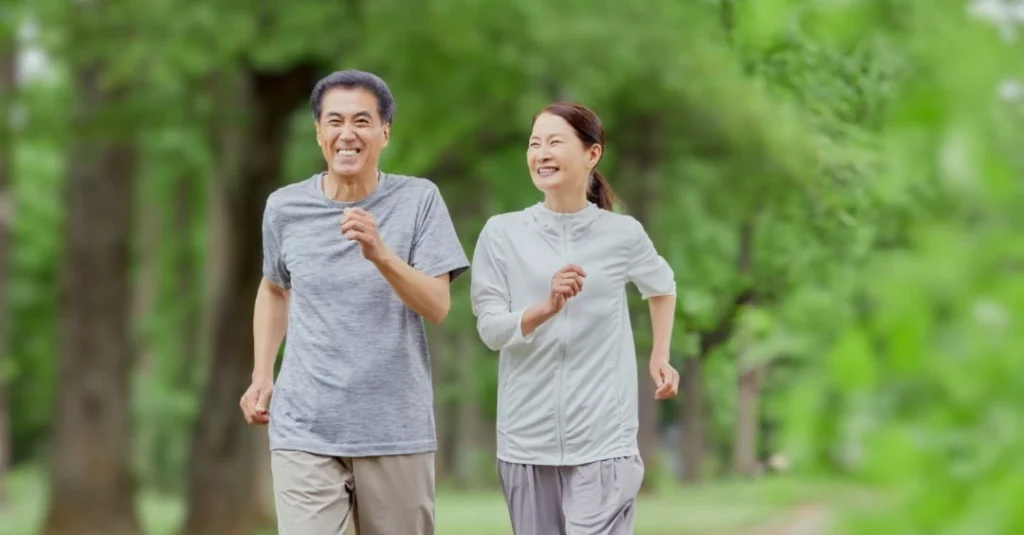
Regular physical activity supports your health in several ways. It can benefit your heart, muscles, bones, mental well-being, and ability to carry out everyday tasks.
You don’t have to do intense workouts to experience these benefits. Activities like brisk walking, cycling, dancing, and swimming can help you adopt a more active lifestyle.
Here are seven important ways physical activity can benefit your health. well-done contributes
1. Supports Heart Health
One of the most important benefits of physical activity is its ability to support heart health. Regular movement helps your heart and blood vessels function more effectively and can reduce the risk of cardiovascular diseases, including heart disease and stroke.
Physical activity can also help lower blood pressure and improve cholesterol levels. These benefits are important because high blood pressure and unhealthy cholesterol levels can increase the risk of heart problems over time.
According to the Centers for Disease Control and Prevention, regular physical activity can lower the risk of heart disease and stroke.
You don’t need intense exercise to support your heart. Activities like brisk walking, cycling, dancing, and swimming can improve cardiovascular fitness when done regularly.
For example, you could start with a brisk 10-minute walk and gradually increase your activity as your fitness improves. The important thing is to choose activities you can maintain consistently.
Remember, physical activity can reduce your risk of heart disease, but it doesn’t eliminate the risk. Healthy eating, avoiding tobacco, and managing blood pressure are also important to protect your heart.
2. Helps Maintain a Healthy Weight
Another benefit of physical activity is that it can help you manage your body weight. When you move, your body uses energy, which supports the balance between the calories you consume and the energy you expend.
Activities such as walking, cycling, dancing, and swimming can increase your daily energy expenditure. Combining regular physical activity with balanced eating habits can help you achieve or maintain a weight that supports your health.
However, weight management isn’t just about exercise. Factors like your eating habits, sleep, medications, and certain health conditions can also influence body weight.
You don’t need to spend hours exercising to get started. Try adding more movement to your daily routine, such as walking to nearby places when practical, taking the stairs when appropriate, or setting aside time for regular physical activity.
The goal is to develop habits you can maintain over time rather than relying on intense workouts or expecting quick changes on the scale.
3. Strengthens Muscles and Bones
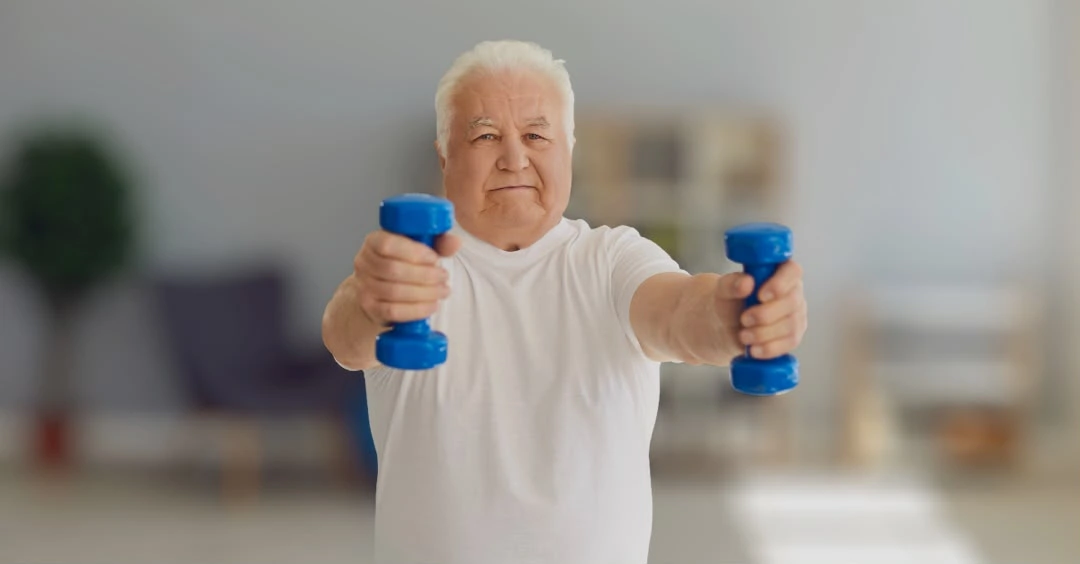
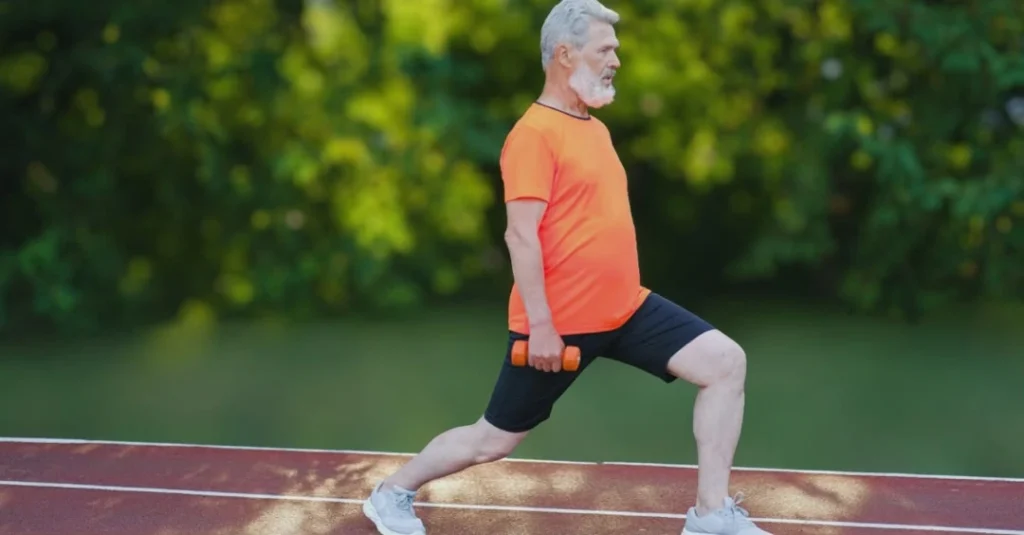
Physical activity helps maintain strong muscles and healthy bones, both of which are important for movement, balance, and everyday tasks. As you get older, maintaining muscle strength and bone health becomes especially important for staying active and independent.
Activities such as walking, dancing, climbing stairs, and resistance training can support muscle and bone health. Strength-training exercises, in particular, help build or maintain muscle strength, while weight-bearing activities encourage the body to maintain bone strength.
You don’t necessarily need gym equipment to get started. Bodyweight exercises such as squats, wall push-ups, and modified lunges can help strengthen your muscles. Regular walking can also contribute to your overall physical activity.
Choose activities that suit your fitness level and increase the difficulty gradually. If you have a health condition or concerns about your bones or joints, seek appropriate professional guidance before starting a new exercise routine.
Maintaining muscle strength and bone health can help you move more comfortably and continue doing everyday activities as you age.
4. Supports Mental Health
Physical activity can support your mental health by helping you manage stress, improve your mood, and feel more relaxed. When you move your body, your brain releases chemicals that can help you feel better.
You don’t need intense workouts to experience these benefits. Activities such as walking, dancing, cycling, or gardening can help you take a break from daily worries and improve your overall well-being.
Regular physical activity may also help reduce symptoms of anxiety and depression in some people. Understanding the difference between stress and anxiety can also help you recognise when you may need additional support.
However, physical activity is not a replacement for professional mental health care. If you are struggling with ongoing sadness, anxiety, or other emotional difficulties, consider speaking with a qualified health professional.
The key is to choose activities you enjoy and make them part of your routine. Even a short walk can be a practical starting point.
5. Improves Sleep Quality
Regular physical activity may help you sleep better by supporting your body’s natural sleep patterns. Physically active people often find it easier to fall asleep and enjoy better sleep quality.
Activities such as walking, cycling, swimming, and dancing can help you feel physically ready for rest at the end of the day. Physical activity may also reduce stress, which makes it easier to relax before bedtime.
You don’t need to exercise intensely to benefit. Simple habits, like walking during the day, taking the stairs, or doing household chores, can help you become more active.
Try to maintain a regular sleep schedule and create a relaxing bedtime routine alongside your physical activity. If exercising close to bedtime makes you feel too alert, consider moving your workout to an earlier time.
Remember that physical activity can support better sleep, but persistent sleep problems may require advice from a healthcare professional.
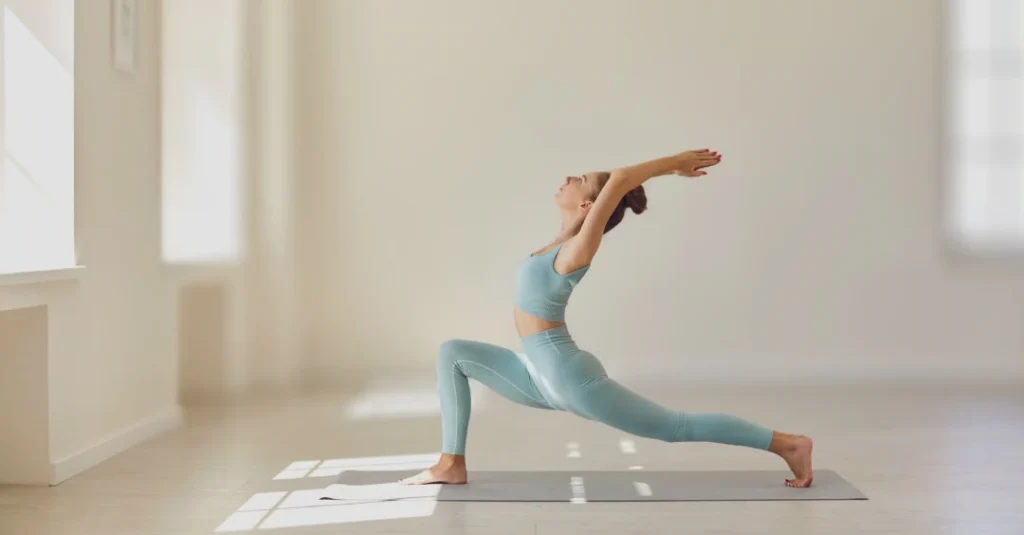
6. Helps Maintain Mobility and Independence
Physical activity helps you maintain the strength, balance, and flexibility needed for everyday tasks. These abilities become especially important as you grow older.
Simple movements such as walking, climbing stairs, standing up from a chair, and carrying groceries can help you stay active and manage daily activities more comfortably.
Balance exercises and activities that strengthen your muscles can also help reduce the risk of falls, particularly among older adults.
For example, taking regular walks, practising gentle stretches, or doing simple strength exercises at home can help you maintain your ability to move around confidently.
If you spend much of your day sitting, try breaking up long periods of sitting with short walks or other gentle movements. Start at a level that feels comfortable and gradually increase your activity as your fitness improves.
Staying active can help you preserve your mobility and independence, making it easier to continue doing the things that matter to you.
7. Supports Long-Term Health
Regular physical activity can help lower the risk of several long-term health conditions, including type 2 diabetes, heart disease, and some types of cancer. It can also support healthy blood pressure and blood sugar levels.
These benefits are important because many long-term health conditions can affect your quality of life and ability to do everyday activities. Staying active is one practical way to support your health as you age.
You can start with simple activities that fit your lifestyle, such as walking to nearby places, cycling, dancing, gardening, or doing household chores.
If you work at a desk or spend much of your day sitting, taking short movement breaks can also help you become active.
According to the World Health Organization, regular physical activity benefits both physical and mental health and can help prevent and manage noncommunicable diseases.
Remember, physical activity doesn’t guarantee that you will avoid illness. However, making it a regular part of your life, alongside healthy eating, adequate sleep, and other healthy habits, can contribute to better long-term health.
Benefits of Physical Activity for Different Age Groups
Physical activity benefits people at every stage of life, although the types and amounts of movement needed may vary with age, health, and ability.
- Children: Physical activity supports healthy growth, strengthens bones and muscles, and helps children develop movement skills. Playing football, dancing, running, and playing outdoor games are enjoyable ways for children to stay active.
- Adults: Regular movement helps adults maintain a healthy weight, support heart health, manage stress, and reduce the risk of certain long-term health conditions. Walking, cycling, swimming, and strength training are useful options.
- Older adults: Staying active can help older adults maintain balance, mobility, muscle strength, and independence. Walking, gentle strength exercises, and suitable balance activities can help them remain active in daily life.
- Pregnant and postpartum women: When appropriate for their health and circumstances, physical activity can support general well-being during pregnancy and after childbirth. However, the type and intensity of activity should suit their individual needs. Women with pregnancy complications or concerns about returning to exercise after childbirth should seek advice from a qualified healthcare professional.
Whatever your age, choose activities that match your current fitness level and increase the amount gradually.
If you have a health condition or have been inactive for a long time, speak with a healthcare professional if you are unsure which activities are suitable for you.

How Much Physical Activity Do You Need?
The amount of physical activity you need depends on your age, health, and ability. However, adults can follow the CDC ecommendations as a general guide.
Adults should aim for:
- 150–300 minutes of moderate-intensity aerobic activity each week, such as brisk walking, cycling, or dancing.
- Alternatively, 75–150 minutes of vigorous-intensity activity each week, such as running, if your fitness level and health allow.
- Muscle-strengthening activities on at least two days each week, working the major muscle groups.
You can spread these activities across the week instead of doing everything in one day. For example, a 30-minute brisk walk on five days of the week gives you 150 minutes of moderate-intensity activity.
If you are not very active at the moment, don’t feel pressured to reach these targets immediately. Start with shorter periods of movement and gradually increase the duration and intensity as your fitness improves.
Even small amounts of physical activity are better than none. The important thing is to find a routine you can maintain consistently.
These recommendations are general guidelines for adults. Children, older adults, pregnant women, and people with certain health conditions may need different approaches.
Simple Ways to Become More Physically Active
Becoming more physically active doesn’t require a gym membership, expensive equipment, or a complete change to your daily routine. You can start by adding more movement to activities you already do.
Here are some practical ways to get started:
- Walk more often: Take a walk around your neighbourhood, walk to nearby shops when practical, or go for a short walk during your break.
Discover more health benefits of walking every day.
- Use the stairs: When it is safe and suitable for your fitness level, choose the stairs instead of the lift.
- Dance to your favourite music: Dancing at home is an enjoyable way to move your body and raise your heart rate.
- Do household chores: Sweeping, mopping, gardening, and other active chores can help you spend less time sitting.
- Take movement breaks: If you sit for long periods while working or studying, stand up, stretch, or walk around regularly.
- Try simple exercises at home: Physical activities like squats, wall push-ups, and gentle step-ups can help you build strength without a gym.
- Choose activities you enjoy: Walking with a friend, cycling, swimming, or playing a sport can make it easier to stay consistent.
Start Small and Build Consistency
If you have been inactive for a while, begin with an amount of activity you can manage comfortably. For example, you could start with a 10-minute walk each day and gradually increase the duration as your fitness improves.
You don’t have to complete all your activity at once. Short periods of movement throughout the day can add to your weekly total.
Pay attention to how your body responds, wear suitable footwear, and choose activities that match your ability. If you have a medical condition or are unsure whether a particular activity is safe for you, seek advice from a healthcare professional.
The best activity routine is one you can maintain. Focus on making movement a regular part of your life rather than trying to do too much at once.
The Bottom Line
The benefits of physical activity go beyond maintaining a healthy weight. Regular movement can support heart health, strengthen muscles and bones, improve mood and sleep, and help you maintain mobility as you age. It can also reduce the risk of certain long-term health conditions.
You don’t need to spend hours exercising or make expensive lifestyle changes to become more active. Simple habits, such as walking, dancing, taking the stairs, or doing household chores, can help you move more throughout the day.
Start with activities that suit your current fitness level and gradually build a routine you enjoy. Consistency matters more than trying to do everything at once.
What is one physical activity you enjoy doing to stay active? Share your answer in the comments below. Your experience might inspire someone else to take the first step towards a more active lifestyle.