
What Is the Difference Between Stress and Anxiety?
Page Content
ToggleWhat is the difference between stress and anxiety?
This is a common question because stress and anxiety can feel similar, but they are not the same.
Stress is often a response to a specific challenge or situation, while anxiety can involve ongoing worry, fear, or uneasiness that may continue even when there is no immediate threat.
Understanding the difference can help you recognize what you may be experiencing and know when it may be helpful to speak with a healthcare professional.
In this guide, we’ll look at the difference between stress and anxiety, how their symptoms can overlap, what can contribute to each, and when to seek professional advice.
What Is Stress?
Stress is a physical or mental response that your body has to a challenge or demand. It can happen when you feel under pressure, face a difficult situation, or have more demands than you can manage.
Stress can come from many parts of daily life. Work pressure, financial problems, relationship difficulties, illness, major life changes, and lack of sleep can all contribute to stress.
When you experience stress, your body can respond in different ways. You may notice your heart beating faster, your muscles feeling tense, or difficulty relaxing. Stress can also affect your sleep, mood, concentration, and appetite.
Stress is not always harmful. Short-term stress can be a normal response that helps you respond to a challenging situation. However, ongoing or severe stress can affect your well-being and may become difficult to manage.
Recognizing what is causing your stress and paying attention to how it affects you can be an important first step toward managing it.
What Is Anxiety?
Anxiety is a feeling of worry, fear, or uneasiness that can happen when you anticipate a threat, uncertainty, or something you believe could go wrong.
It is normal to feel anxious from time to time. For example, you may feel anxious before an important event, during a difficult situation, or when facing something unfamiliar.
However, anxiety can sometimes continue even when there is no immediate danger or clear reason for the worry. It may affect your thoughts, emotions, sleep, concentration, or daily activities.
Anxiety can also cause physical symptoms. Some people may experience a racing heart, sweating, muscle tension, restlessness, or difficulty sleeping.
When anxiety becomes persistent, difficult to control, or starts interfering with everyday life, talking with a healthcare professional can help you understand what you are experiencing and what support may be appropriate.
How Is Depression Different From Stress and Anxiety?
Stress, anxiety, and depression can sometimes occur together, but they are not the same thing.
- Stress is usually a response to a specific challenge or pressure, such as work problems, financial difficulties, or a major life change.
- Anxiety can involve ongoing worry, fear, or uneasiness. It may continue even when there is no immediate threat or clear reason for the feeling.
- Depression is different. It can involve a persistent low mood, feelings of hopelessness, or a loss of interest or pleasure in things you normally enjoy. It can also affect sleep, appetite, energy, concentration, and your ability to manage everyday activities.
Although these experiences can overlap, having a stressful period or feeling anxious does not automatically mean that you have depression. If these feelings persist or begin interfering with your daily life, consider speaking with a healthcare professional.
Understanding these differences can help you recognize that stress, anxiety, and depression may require different types of support.
What Is the Difference Between Stress and Anxiety?
Stress and anxiety can have similar symptoms, but there are some important differences between them.
Stress is usually connected to a specific challenge or situation. For example, you may feel stressed because of work pressure, financial difficulties, relationship problems, or a major life change. When the situation improves, or the source of stress is removed, the stress may also ease.
Anxiety can be more persistent. It may involve ongoing worry or fear about what might happen, even when there is no immediate threat or obvious reason for the feeling.
Another difference is how long the feelings last. Stress may settle once you deal with the situation causing it, while anxiety can continue and begin to interfere with everyday life.
However, the two can overlap. Ongoing stress can contribute to anxiety, and both can affect your sleep, concentration, mood, and physical well-being.
Understanding these differences can help you recognize what you may be experiencing, but only a qualified healthcare professional can properly assess persistent or concerning symptoms.
Can Stress and Anxiety Have Similar Symptoms?
Yes. Stress and anxiety can produce some of the same physical and emotional symptoms, which is one reason they can be difficult to tell apart.
You may experience symptoms such as:
- Difficulty sleeping
- Muscle tension
- Headaches or body aches
- Feeling restless or on edge
- Difficulty concentrating
- Changes in appetite
- Feeling overwhelmed or irritable
The presence of these symptoms does not necessarily tell you whether you are experiencing stress or anxiety. What is causing the symptoms, how long they have lasted, and how much they affect your daily life are also important.
For example, you may notice difficulty sleeping during a particularly stressful period and feel better when the situation improves. If worry or other symptoms continue and begin interfering with your daily activities, it may be worth discussing them with a healthcare professional.
The National Institute of Mental Health (NIMH) explains that stress can affect both the body and mind, while anxiety can involve persistent worry or fear. Understanding the difference can help you know when to pay closer attention to your symptoms.
What Can Cause Stress and Anxiety?
Stress and anxiety can have different triggers, although some situations can contribute to both.
Common Causes of Stress
Stress is often linked to something happening in your life.
Common sources can include:
- Work or school pressure
- Financial difficulties
- Relationship problems
- Major life changes
- Illness or caring for someone unwell
- Lack of sleep
- Having too many responsibilities
For example, starting a new job or dealing with financial problems can create a period of stress. When the situation changes or becomes easier to manage, the stress may also decrease.
What Can Contribute to Anxiety?
Anxiety can be triggered by stressful situations, but it doesn’t always have one clear or immediate cause. Ongoing worry, difficult experiences, certain health conditions, and other factors can contribute to anxiety.
According to the National Institute of Mental Health (NIMH), anxiety disorders involve more than occasional worry or fear. Symptoms can persist and may interfere with everyday activities.
This is one reason it is important not to assume that every period of worry or stress means you have an anxiety disorder. If your symptoms are persistent, difficult to control, or affecting your daily life, a healthcare professional can help you understand what may be happening.
Can Stress Turn Into Anxiety?
Stress and anxiety are different, but they can be connected.
A stressful situation can sometimes lead to feelings of worry or fear, especially when stress continues for a long time or becomes difficult to manage. However, experiencing stress does not automatically mean that you will develop an anxiety disorder.
For example, you might experience ongoing stress because of work, financial difficulties, or problems at home. If the pressure continues, you may start to worry more frequently or have difficulty relaxing even when you are away from the situation.
This is why paying attention to how you feel over time is important. If worry, fear, or other symptoms continue after the stressful situation has improved, or begin to interfere with your sleep, relationships, work, or daily activities, consider speaking with a healthcare professional.
Learning healthy ways to manage stress can also be helpful. Simple habits such as regular physical activity, getting enough sleep, staying connected with supportive people, and making time to relax can support your overall well-being.
How Can You Manage Everyday Stress?
You may not be able to remove every source of stress from your life, but there are healthy habits that can help you cope with everyday pressure.
1. Stay Physically Active
Regular physical activity can be a simple way to support your physical and mental well-being. Even something as simple as a regular walk can help you stay active and create time to step away from daily pressures.
You can learn more about the health benefits of walking every day in my related guide.
2. Get Enough Sleep
Poor sleep can make it harder to cope with daily stress. Try to maintain a regular sleep routine and give yourself enough time to rest.
3. Make Time to Relax
Simple activities such as deep breathing, quiet time, stretching, reading, or spending time outdoors can give you an opportunity to slow down and relax.
4. Stay Connected
Talking with someone you trust can help you feel less alone when you’re dealing with a difficult situation. This could be a friend, family member, or another person you feel comfortable speaking with.
5. Break Large Tasks Into Smaller Steps
When you have many responsibilities at once, focusing on everything at the same time can feel overwhelming. Breaking larger tasks into smaller, manageable steps can make them easier to approach.
These habits cannot remove every source of stress, but they can be useful parts of a healthy routine. If stress or anxiety continues to interfere with your daily life, consider speaking with a healthcare professional.
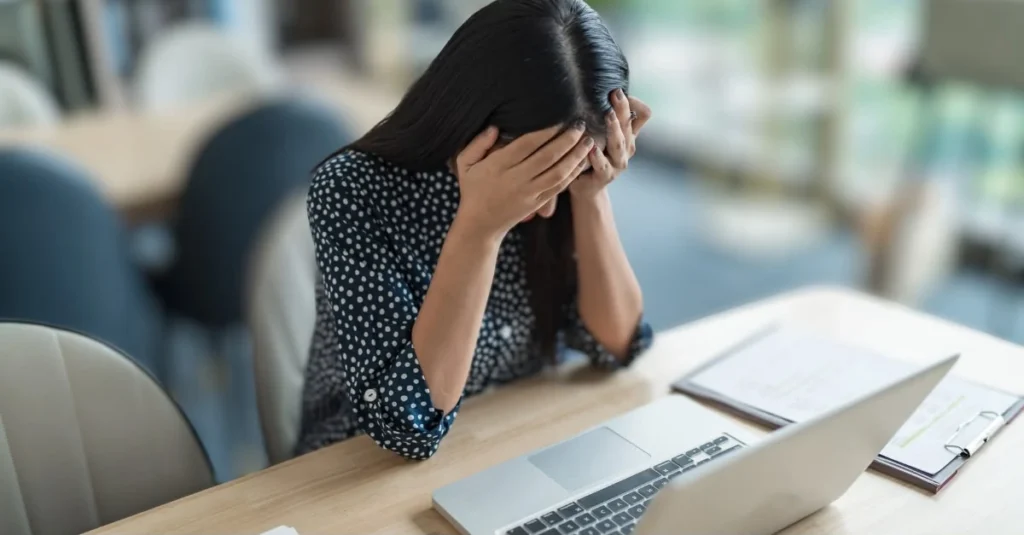
When Should You Talk to a Healthcare Professional?
Everyone experiences stress or occasional anxiety, but there are times when it may be helpful to speak with a healthcare professional.
Consider seeking professional advice if:
- Your symptoms continue for a long time or keep coming back.
- Worry or fear feels difficult to control.
- Stress or anxiety is affecting your sleep, work, relationships, or daily activities.
- You are struggling to cope with everyday responsibilities.
- You are unsure whether what you are experiencing is stress, anxiety, or something else.
A healthcare professional can listen to your symptoms, consider your individual circumstances, and help determine whether further assessment or treatment may be appropriate.
The National Institute of Mental Health notes that anxiety disorders can interfere with daily activities, work, relationships, and other areas of life. Seeking help when symptoms become difficult to manage can be an important step toward getting appropriate support.
You don’t have to wait until your symptoms become severe before asking for help. If something about your physical or emotional well-being concerns you, speaking with a qualified healthcare professional can give you appropriate guidance.
The Bottom Line
Stress and anxiety can feel similar, but understanding the difference between them can help you pay closer attention to what you are experiencing.
Stress is often connected to a specific challenge or situation, while anxiety can involve ongoing worry, fear, or uneasiness that may continue even when there is no immediate threat. Depression is different again, although these experiences can sometimes overlap.
You don’t have to figure everything out on your own. If stress, anxiety, or other changes in your mood continue or begin to affect your daily life, speaking with a healthcare professional can help you get appropriate guidance and support.
Taking care of your sleep, staying physically active, making time to relax, and maintaining supportive relationships can also be part of a healthy approach to managing everyday stress.
For more practical health advice, explore our guide to Health Tips for a Healthier, More Vibrant Life.
Have you ever wondered whether what you were experiencing was stress or anxiety? Join the conversation and share your thoughts.