
How to Get Rid of a Headache Fast: Causes, Remedies & When to Seek Medical Care
Page Content
ToggleOver the years, one of the most common questions I’ve heard from people is: “How can I make my headache go away quickly?”
The truth is, there is no single remedy that works for every headache. Headaches can happen for many reasons. You may get one because you are not drinking enough water or have spent too much time looking at a phone or computer screen.
This is why it is important to understand what may be causing your headache before deciding how to manage it.
In this guide, Silver Healing Home explains simple ways to get rid of a headache fast, including things you can try without medicine. We will also look at common causes of headaches, ways to prevent them, and when you should see a health professional.
What Can Gets Rid of a Headache Fast?
When you have a headache, you may want the pain to stop immediately. While there is no guaranteed way to make every headache disappear in a few minutes, some simple steps may help you feel better.
The best approach can depend on what is causing the headache. For example, a headache linked to dehydration may improve after you drink enough fluids, while a headache linked to stress may improve after you rest and relax.
Here are some things you can try:
1. Drink Some Water
Not drinking enough water can sometimes cause or contribute to a headache. If you have been sweating a lot, spending time outside in the heat, or simply have not had enough water during the day, try drinking water and see if the headache improves.
2. Eat If You Have Skipped a Meal
Going for too long without food can cause headaches in some people. If you have missed breakfast, lunch, or another meal, try eating something. Eating regular meals may help reduce headaches linked to skipping meals.
3. Rest in a Quiet Place
If your headache is bothering you, take some time to rest. A quiet, comfortable place may help, especially if noise or activity is making the pain worse. For people with migraines, resting in a dark, quiet room may also help ease symptoms.
4. Take a Break From Screens
If you have been using your phone, television, or computer for a long time, give your eyes a break. The National Health Service (NHS) advises avoiding prolonged eye strain, such as spending a long time looking at a screen, when you have a headache.
5. Try a Cold or Warm Compress
A cold or warm cloth may provide some relief for certain types of headaches. You can place it on your forehead, neck, or another area where you feel discomfort. Try whichever feels more comfortable.
6. Try to Relax
Stress can contribute to some headaches. Taking slow, deep breaths, sitting quietly, or doing some gentle stretching may help you relax and reduce tension.
These simple steps may help with a mild headache, but they do not work for everyone. If your headache is severe, keeps coming back, lasts longer than usual, or comes with other unusual symptoms, you may need to speak with a health professional.

Can You Get Rid of a Headache in 2 Minutes?
You may have searched for ways to get rid of a headache in 2 minutes or even 5 seconds. But there is no proven method that can make every headache disappear that quickly.
Some people may start to feel better after taking steps that address what may be causing the headache. For example, resting in a quiet place may help when noise or light makes the pain worse, while drinking water may help if dehydration is contributing to the headache.
The important thing is not to expect an instant cure. If a headache is severe, unusual, keeps getting worse, or does not improve, it is better to speak with a health professional than to keep trying different quick fixes.
What Causes a Headache?
Headaches can happen for many different reasons. Sometimes the cause is simple, such as not drinking enough water or missing a meal. Other times, the headache may be linked to a condition such as migraine.
Knowing what may be causing your headache can help you understand what to do next.
1. Tension and Stress
Stress is a common cause of headaches. When you are worried, tired, or under pressure, you may tighten the muscles around your head, neck, and shoulders. This can lead to a tension-type headache, which often feels like pressure or a tight band around the head.
2. Migraine
A migraine is more than just a normal headache. It can cause severe, throbbing pain and may come with nausea or sensitivity to light and sound. Some people also notice warning signs before the pain begins.
Stress, tiredness, changes in sleep, skipping meals, and too much caffeine can trigger migraine attacks in some people.
3. Not Drinking Enough Water
Dehydration can contribute to headaches. This may happen when you do not drink enough fluids or lose a lot of fluid through sweating, especially in hot weather.
4. Skipping Meals
Going too long without eating can cause headaches for some people. This is one reason eating regular meals is important, especially if you notice that your headaches often happen when you are hungry.
5. Lack of Sleep
Not getting enough sleep or having changes in your normal sleep pattern can contribute to headaches, especially migraines. Keeping a regular sleep routine may help reduce headaches for some people.
6. Eye Strain and Long Screen Time
Spending a long time looking at a phone, television, or computer can strain your eyes and may contribute to headaches. Taking regular breaks can help reduce prolonged eye strain.
7. Caffeine Changes
Caffeine affects people differently. Having too much caffeine may trigger headaches in some people, while suddenly reducing or stopping regular caffeine use can also cause headaches.
8. Other Causes
Headaches can also happen with colds or flu, sinus problems, poor posture, alcohol use, eyesight problems, and taking pain medicines too often.
If your headaches are frequent, severe, changing, or affecting your daily life, speak with a health professional.

How to Get Rid of a Headache Behind Your Eyes
A headache behind or around your eyes can feel like pressure, aching, or pain. It may happen with a migraine, sinus problems, eye strain, or other types of headaches.
What helps depends on the cause.
If you have been looking at a phone or computer for a long time, take a break and give your eyes some rest. Sitting in a quiet, comfortable place may also help. If you have not had enough water or have skipped a meal, drinking water and eating may help if those are contributing to the headache.
A blocked or inflamed sinus can also cause pressure around the eyes, especially when you have a cold or other sinus symptoms. Treating the underlying problem may help the headache improve.
However, don’t assume that pain behind your eyes is always a sinus headache or eye strain. If the pain is severe, sudden, affects your vision, causes eye redness or swelling, or keeps coming back, you should speak with a health professional.
If you have sudden severe eye pain together with vision changes, seek urgent medical attention.
What Pressure Points May Help Relieve a Headache?
Some people use gentle pressure or massage on certain areas of the head, face, neck, and hands when they have a headache. This may help some people relax, especially when stress or muscle tension is involved. Massage and relaxation activities are among the self-care measures recommended for tension headaches.
If you want to try gentle pressure, you can:
- Massage your temples in small, slow circles.
- Gently massage the area at the back of your neck.
- Rub your shoulders if they feel tense.
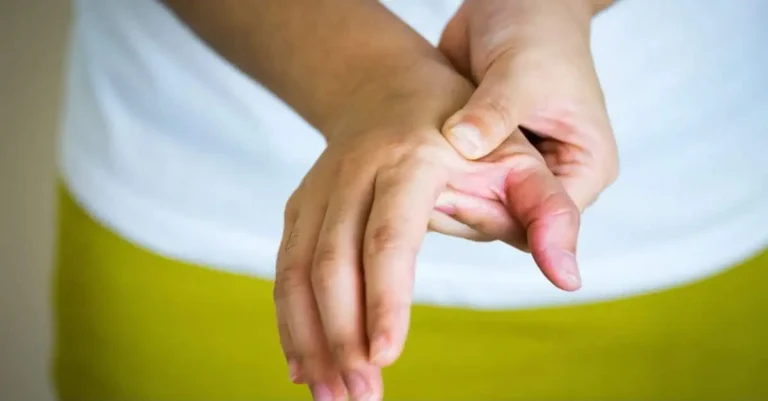
- Apply gentle pressure to the soft area between your thumb and index finger.
Use gentle pressure instead of pressing hard or causing pain. Stop if the headache becomes worse.
Pressure points should not be used as a replacement for medical care. If you have a severe, sudden, unusual, or worsening headache, seek medical attention rather than relying on massage or pressure points.
What If Your Headache Won’t Go Away?
Most mild headaches improve with time and simple self-care. But if your headache does not go away, keeps coming back, or becomes worse, do not keep trying different home remedies without finding out why.
Keep track of when your headaches happen and what may have happened before them. For example, note whether you had enough sleep, ate normally, drank enough water, had a stressful day, or spent a long time looking at a screen. This information can help a health professional understand what may be causing your headaches.
You should also speak with a health professional if you need pain medicine regularly for headaches. Using some headache medicines too often can actually cause more frequent headaches.
A headache that will not go away does not always mean something serious, but persistent or recurring headaches should be properly assessed.

When Should You See a Health Professional?
Most headaches are not caused by a serious health problem and may improve with simple care. However, some headaches need medical attention.
Seek urgent medical help if your headache:
- Starts suddenly and is extremely painful.
- Happens after a head injury.
- Comes with weakness, numbness, confusion, trouble speaking, or difficulty walking.
- Causes loss of vision or sudden changes in your vision.
- Happens with a high fever and stiff neck.
- Comes with a seizure or loss of consciousness.
- Keeps getting worse or is very different from headaches you normally have.
You should also speak with a health professional if you regularly get headaches, if they are becoming more frequent or severe, or if they are affecting your sleep, work, or daily activities.
Do not ignore a sudden, severe headache while waiting for home remedies to work. Some serious conditions can cause a headache that needs urgent treatment.
How to Prevent Headaches
You may not be able to prevent every headache, but healthy daily habits can help reduce how often they happen.
1. Eat Regularly
Try not to go for long periods without eating. Skipping meals can trigger headaches in some people. Eating regular meals may help keep your energy levels steady.
2. Drink Enough Fluids
Make water part of your daily routine, especially when the weather is hot or you are physically active. Not drinking enough fluids can contribute to headaches.
3. Get Enough Sleep
Try to keep a regular sleep schedule. Too little sleep or changes in your usual sleep pattern may trigger headaches, especially in people who get migraines.
4. Manage Stress
Long periods of stress can make some headaches more likely. Make time for activities that help you relax, such as walking, gentle exercise, deep breathing, or other activities you enjoy.
5. Take Breaks From Screens
If you spend many hours on your phone or computer, take regular breaks. This can help reduce prolonged eye strain.
6. Know Your Triggers
If you often get headaches, keep a simple headache diary. Write down when the headache starts, how long it lasts, what you ate and drank, how well you slept, and any other symptoms. Over time, this may help you notice patterns or triggers.
If your headaches continue despite making these changes, speak with a health professional.
The Bottom Line
There is no single way to get rid of every headache quickly. What helps depends on what is causing the pain.
For a mild headache, simple steps such as drinking water, eating regular meals, resting, taking breaks from screens, and managing stress may help. However, do not ignore severe headaches, unusual ones, those that keep coming back, or those that are getting worse.
If you are worried about your symptoms or your headache is not improving, speak with a health professional. And if a headache comes on suddenly and is extremely painful or happens with serious symptoms such as weakness, confusion, or loss of vision, seek urgent medical help. For more practical ways to support your overall health and well-being, explore our guide to health tips for a healthier, more vibrant life.
Have you found anything that helps when you get a mild headache? Share your experience in the comments below.