
Poor Blood Circulation: Symptoms, Causes, and How to Improve It
Page Content
ToggleHave you ever noticed that your hands or feet often feel cold, or that your legs sometimes become numb, tingly, or uncomfortable?
These symptoms can make you wonder whether you have poor blood circulation. However, cold hands and feet, numbness, tingling, or leg discomfort can have different causes, so they should not automatically be blamed on poor circulation.
I decided to shed some light on this topic because understanding the possible causes of changes in blood flow can help you know what to pay attention to and when it may be time to seek medical advice.
In this guide, Silver Healing Home will explain the symptoms and causes of poor blood circulation, including what poor circulation in the legs can feel like. We’ll also look at ways to support healthy circulation, exercises that may help keep your legs moving, what to drink, and when it is important to speak with a healthcare professional.
Understanding the possible signs and causes can help you make informed choices about your health and recognize when a symptom deserves proper medical attention.
What Is Poor Blood Circulation?
Poor blood circulation is a general term people use when blood doesn’t flow properly to or from parts of the body. Good circulation matters because blood carries oxygen and nutrients to tissues and removes waste products.
However, poor blood circulation is not a single medical condition. Different problems involving the heart, blood vessels, or other parts of the circulatory system can affect blood flow.
For example, peripheral artery disease (PAD) can reduce blood flow to the legs and feet when arteries become narrowed, often because of plaque buildup. This can cause symptoms such as leg pain during walking, numbness, weakness, or a foot that feels colder than the other.
Not everyone with a circulation problem will have the same symptoms. Some people may have few or no noticeable symptoms, while others may experience pain, tingling, changes in skin color, or wounds that heal slowly.
It is also important not to assume that cold hands, tingling, leg pain, or numbness automatically mean you have poor circulation. These symptoms can have other causes, including problems affecting the nerves, muscles, or veins.
This is why understanding the possible symptoms and causes of poor blood circulation is more useful than trying to diagnose yourself based on one symptom.
If you notice persistent or unusual changes in your legs, feet, hands, or other parts of your body, a healthcare professional can help determine what may be causing them and whether you need further evaluation.
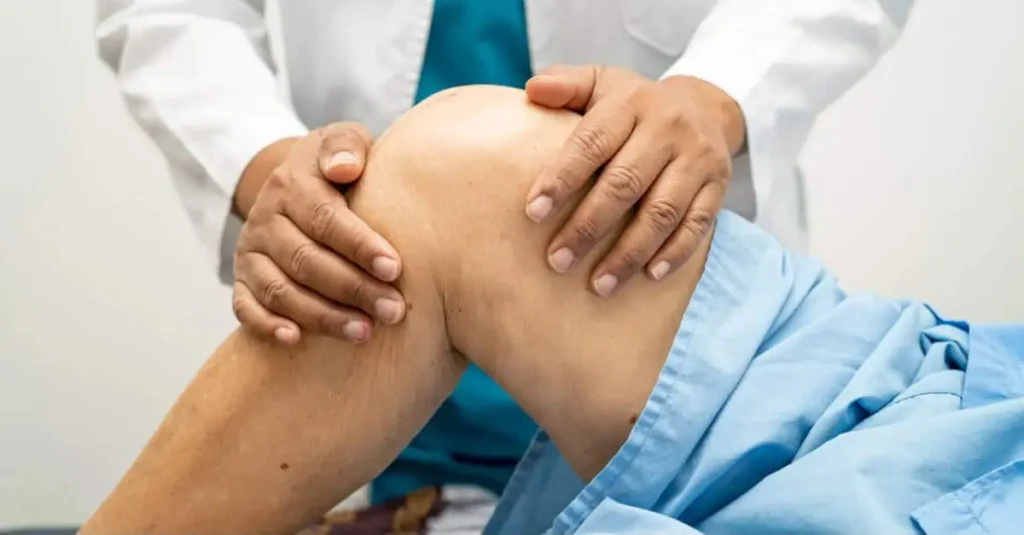
What Are the Symptoms of Poor Blood Circulation?
The symptoms of poor blood circulation depend on what is affecting your blood flow and which part of the body is involved. Some people may notice changes in their legs or feet, while others may have few or no obvious symptoms.
One condition that can affect blood flow to the legs is peripheral artery disease (PAD). PAD occurs when the arteries that carry blood to the legs become narrowed or blocked, most commonly because of a buildup of plaque.
Some possible signs and symptoms of poor blood circulation include:
- Cold hands or feet
- Numbness or tingling
- Pain, aching, or cramping in the legs during physical activity
- Weakness in the legs
- Changes in skin color
- Smooth or shiny skin on the legs
- Hair loss on the legs or feet
- Sores or wounds that heal slowly
- One foot feeling colder than the other
Leg pain caused by PAD can be particularly noticeable during activities such as walking or climbing stairs and may improve after resting. However, not everyone with PAD experiences this typical pattern, and some people may have no noticeable symptoms.
1. Cold hands and feet
Having cold hands or feet from time to time does not automatically mean you have poor blood circulation. Cold temperatures, stress, and other conditions can also affect how your hands and feet feel.
However, if one hand or foot is consistently colder than the other, particularly when this happens alongside pain, numbness, skin color changes, or other symptoms, it is worth discussing with a healthcare professional.
2. Numbness and tingling
Poor blood flow can sometimes be associated with numbness, weakness, or a pins-and-needles sensation in the legs or feet. However, nerve problems can cause similar sensations, so numbness or tingling alone cannot tell you what is causing the problem.
This is why persistent symptoms shouldn’t be treated at home without considering the underlying cause.
3. Leg pain when walking
Pain, aching, heaviness, or cramping in the legs during walking or other physical activity can be a symptom of PAD. The discomfort may improve after resting and return when activity begins again.
If you regularly experience this pattern, especially if it is becoming worse or limiting how far you can walk, speak with a healthcare professional rather than assuming it is a normal part of getting older.
4. Changes to the skin or wounds
Reduced blood flow can sometimes be associated with changes such as pale or discolored skin, cooler skin, hair loss on the legs, or sores that heal slowly. These changes are important to pay attention to when they occur alongside other circulation symptoms.
It is important to remember that these symptoms are not specific to poor circulation. Problems involving the nerves, veins, muscles, or other parts of the body can sometimes cause similar symptoms. A healthcare professional can help determine the underlying cause.
If you are experiencing symptoms mainly in your legs or feet, our guide on the health benefits of walking every day can also help you understand how regular physical activity supports overall health, although exercise should not be used to self-treat unexplained circulation problems.
If symptoms are sudden or severe, for example, if a foot suddenly becomes cold, pale or blue, numb, or difficult to move, seek urgent medical attention. A sudden reduction in blood flow to a limb can be a medical emergency.
Is Poor Blood Circulation Dangerous?
Poor blood circulation can sometimes be a sign of an underlying health problem that needs medical attention. Conditions that affect blood vessels, such as peripheral artery disease, can reduce blood flow to the legs and feet.
In more serious cases, severely reduced blood flow can damage tissues and lead to complications. However, having cold hands or feet occasionally does not automatically mean you have a serious circulation problem.
If circulation symptoms are persistent, worsening, or accompanied by severe pain, skin color changes, swelling, numbness, weakness, or a wound that does not heal, it is important to speak with a healthcare professional.
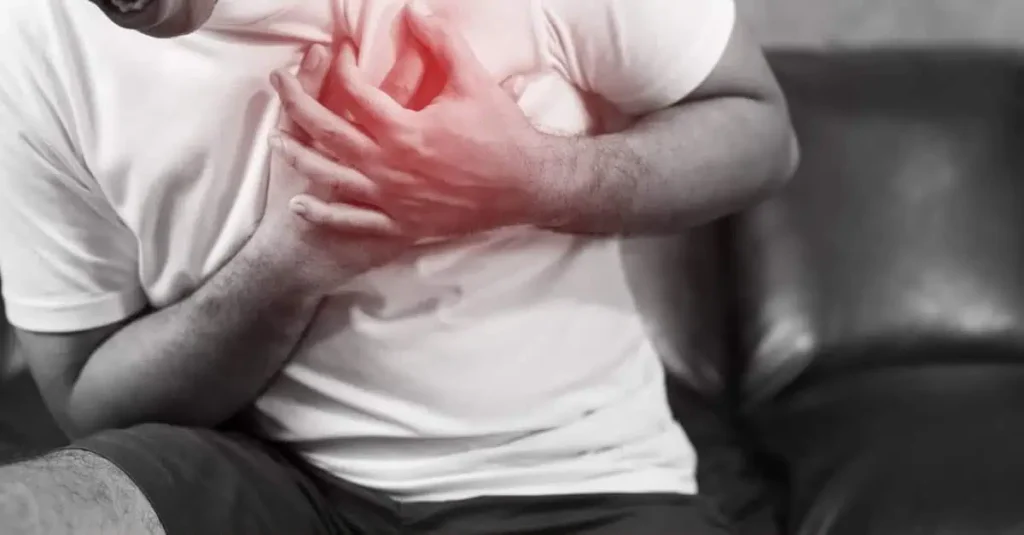
What Causes Poor Blood Circulation?
There is no single cause of poor blood circulation. Blood flow can be affected by problems involving the arteries, veins, the heart, or other parts of the circulatory system.
One important cause of reduced blood flow to the legs is peripheral artery disease (PAD). PAD occurs when arteries become narrowed or blocked, most commonly because of atherosclerosis, which is the buildup of plaque inside the arteries.
Other conditions and factors can also increase the risk of circulation problems.
1. Peripheral artery disease
PAD is one of the main conditions associated with reduced blood flow to the legs and feet. As the arteries become narrowed, less oxygen-rich blood can reach the muscles and tissues.
A person with PAD may experience leg pain or cramping during walking that improves after resting. Other possible signs include numbness, weakness, cold feet, changes in skin appearance, or wounds that heal slowly.
2. Diabetes
Diabetes can increase the risk of blood-vessel problems, including PAD. High blood sugar over time can damage blood vessels and nerves, which can contribute to problems affecting the feet and legs.
People with diabetes may also have reduced sensation because of nerve damage, making it harder to notice injuries or sores on the feet. When poor blood supply is also present, wounds may heal more slowly.
3. Smoking
Smoking is another important risk factor for circulation problems. Tobacco smoke can damage blood vessels, promote plaque buildup, and affect blood flow.
Smoking is a major risk factor for PAD and can also make symptoms and complications worse. Quitting smoking can therefore be an important part of protecting blood-vessel health.
4. High blood pressure and unhealthy cholesterol levels
High blood pressure and unhealthy cholesterol levels can contribute to damage and plaque buildup in the arteries. These conditions are among the factors that can increase the risk of PAD and other cardiovascular problems.
This is one reason regular health checks can be useful. You may not always know that your blood pressure or cholesterol is outside a healthy range because these problems don’t necessarily cause noticeable symptoms.
To learn more about routine health monitoring, read our guide on medical check-ups.
5. Being physically inactive
Regular physical activity supports cardiovascular health, while long periods of inactivity can contribute to several risk factors for blood-vessel disease.
Physical inactivity is one of the factors associated with a higher risk of PAD. For people who already have PAD, healthcare professionals may recommend an appropriate exercise program as part of treatment.
However, if you already have unexplained leg pain, numbness, or other circulation symptoms, it is better to understand the cause before starting a new exercise routine.
6. Blood clots
A blood clot can also interfere with normal blood flow. For example, deep vein thrombosis (DVT) occurs when a blood clot forms in a deep vein, often in the leg.
DVT is different from PAD because it involves the veins rather than the arteries. Symptoms can include swelling, pain, tenderness, or warmth in the affected area. A clot can sometimes travel to the lungs and cause a pulmonary embolism, which requires immediate medical attention.
7. Other health conditions
Other conditions can also affect blood vessels or circulation. These include chronic kidney disease, obesity, and some disorders that increase the risk of blood clots. Family history and increasing age can also affect a person’s risk of developing certain circulation problems.
This is why the phrase “poor blood circulation” should not be treated as a diagnosis by itself. If you have ongoing symptoms, finding the underlying cause is more important than simply trying to improve circulation on your own.
A healthcare professional can consider your symptoms, medical history, risk factors, and physical examination and decide whether further testing is needed.

Poor Blood Circulation in the Legs
Poor blood circulation in the legs can happen when blood isn’t moving properly through the arteries or veins. Because the legs are farther from the heart, circulation problems can become noticeable through changes in how your legs or feet feel, especially during physical activity.
One possible cause is peripheral artery disease (PAD), which reduces blood flow through the arteries that supply the legs and feet. According to the Centers for Disease Control and Prevention (CDC), PAD can cause symptoms such as leg pain while walking, numbness or weakness, and changes in the color or temperature of the skin.
What does poor circulation in the legs feel like?
The symptoms can vary depending on the underlying cause.
You may notice:
- Aching or cramping in your legs when walking
- Numbness or tingling in your feet
- Weakness in your legs
- Feet that feel colder than usual
- Changes in the color of your feet or legs
- Shiny or smooth-looking skin
- Hair loss on the lower legs
- Sores or wounds that heal slowly
Some people with circulation problems may have few noticeable symptoms, while others may experience symptoms that become more obvious during exercise or walking.
Why can walking cause leg pain?
When you walk or exercise, your muscles need more oxygen-rich blood. If an artery supplying the legs is narrowed, the increased demand may not be met adequately.
This can lead to pain or cramping in the calf, thigh, hip, or buttocks during physical activity. The discomfort may improve after resting.
The National Heart, Lung, and Blood Institute (NHLBI) explains that this type of pain, known as claudication, is a common symptom of PAD.
However, leg pain does not automatically mean you have poor blood circulation. Muscle problems, joint conditions, nerve problems, and other health conditions can cause similar discomfort.
Is poor circulation in the legs always caused by blocked arteries?
No. Circulation problems can involve different parts of the circulatory system.
Artery problems can reduce the amount of blood reaching the legs and feet. Vein problems, on the other hand, can make it harder for blood to return from the legs to the heart.
For example, deep vein thrombosis (DVT) is a blood clot that can develop in a deep vein, usually in the leg. According to the CDC, DVT can cause swelling, pain, tenderness, or warmth in the affected area.
This difference matters because treatment depends on the underlying problem. A person shouldn’t assume that every leg symptom can be treated simply by exercising more or taking a supplement marketed for circulation.
When should leg circulation problems be checked?
Persistent leg symptoms deserve medical attention, especially if they are getting worse or affecting your ability to walk or carry out normal activities.
You should also seek urgent medical attention if a leg or foot suddenly becomes very cold, pale or blue, severely painful, numb, or difficult to move. A sudden loss of blood flow can require immediate treatment.
If you have ongoing symptoms, a healthcare professional can assess your circulation and look for the underlying cause rather than relying on symptoms alone.

How to Improve Poor Blood Circulation
The best way to improve poor blood circulation depends on what is causing the problem. There is no single exercise, food, drink, or home remedy that can treat every type of circulation problem.
For some people, improving overall cardiovascular health can support healthy blood flow. For others, circulation problems may require medical treatment for an underlying condition.
Here are some habits that can support healthy circulation.
1. Stay physically active
Regular physical activity helps keep your heart and blood vessels healthy. Walking, for example, is a simple way to increase your daily movement and can support cardiovascular health.
If you spend a lot of time sitting, getting up and moving around regularly can also help you avoid remaining inactive for long periods.
If you already have leg pain or other symptoms that may be related to poor circulation, however, talk with a healthcare professional before starting a new exercise program.
2. Avoid smoking
Smoking can damage blood vessels and increase the risk of peripheral artery disease and other cardiovascular problems.
According to the Centers for Disease Control and Prevention (CDC), smoking is a major risk factor for peripheral artery disease, and quitting smoking can help lower cardiovascular risk.
If you smoke, getting support to quit can be one of the important steps you can take for your overall cardiovascular health.
3. Keep your blood pressure and cholesterol under control
High blood pressure and unhealthy cholesterol levels can contribute to damage and plaque buildup in the arteries.
You may not notice when these levels are too high, which is one reason routine health checks can be useful. If you have been diagnosed with high blood pressure, high cholesterol, or diabetes, following the treatment plan provided by your healthcare professional is important.
4. Manage diabetes if you have it
High blood sugar can damage blood vessels and nerves. Diabetes is also an important risk factor for peripheral artery disease.
According to the National Institute of Diabetes and Digestive and Kidney Diseases (NIDDK), managing blood glucose, blood pressure, and cholesterol can help reduce the risk of diabetes-related complications.
If you have diabetes, work with your healthcare team to manage it rather than trying to treat circulation problems on your own.
5. Maintain a healthy weight when appropriate
Carrying excess body weight can increase the risk of conditions that affect cardiovascular health, including high blood pressure, type 2 diabetes, and unhealthy cholesterol levels.
A balanced eating pattern and regular physical activity can support healthy weight management and overall heart health.
However, a healthy weight is different for everyone, and weight alone does not tell you whether your circulation is healthy.
6. Follow treatment for an underlying condition
If poor blood flow is caused by a condition such as peripheral artery disease, a blood clot, diabetes, or another cardiovascular problem, treating that condition is more important than simply trying to increase circulation at home.
Depending on the cause, treatment may involve lifestyle changes, medicines, supervised exercise, or other medical procedures.
This is why persistent symptoms should be evaluated rather than treated solely with products or supplements advertised as “circulation boosters.”
7. Be cautious with products that promise to “boost circulation”
You may see supplements, drinks, creams, or other products marketed as quick ways to improve blood circulation.
It is important to be cautious with these claims. A product can’t treat every possible cause of poor circulation, and some supplements can interact with medicines or may not be appropriate for certain health conditions.
If you are experiencing ongoing circulation symptoms, finding the underlying cause is more useful than simply looking for a product that promises to improve blood flow.
Overall, supporting healthy circulation involves looking after your heart and blood vessels, staying physically active, avoiding smoking, managing conditions such as diabetes and high blood pressure, and getting medical advice when symptoms persist.

What Exercises Can I Do to Improve Blood Circulation in My Legs?
Regular movement can support healthy blood flow in the legs, especially if you spend a lot of time sitting or are not physically active. However, the best exercise depends on your overall health and the reason you are experiencing circulation problems.
If you have unexplained leg pain, numbness, swelling, or other persistent symptoms, it is better to speak with a healthcare professional before starting a new exercise program.
1. Walking
Walking is one of the simplest ways to keep your legs moving. It works the muscles in your legs and increases your overall physical activity.
If you don’t exercise regularly, start with a comfortable amount of walking and gradually increase your activity as your fitness improves.
For people with diagnosed peripheral artery disease (PAD), exercise may be part of treatment. According to the NHLBI, supervised or structured home-based walking programs can improve walking ability and symptoms in people with PAD.
2. Ankle pumps
Ankle pumps are a simple movement you can do while sitting or lying down.
To perform them:
- Sit or lie in a comfortable position.
- Extend your legs or keep them comfortably supported.
- Point your toes away from you.
- Then pull your toes back toward you.
- Repeat the movement several times.
This can be particularly useful when you have been sitting for a long period because it gets the ankle and lower-leg muscles moving.
3. Calf raises
Calf raises are another simple exercise that involves the muscles in your lower legs.
To do them:
- Stand behind a sturdy chair or near a stable surface for support.
- Keep your feet about hip-width apart.
- Slowly raise your heels so you are standing on your toes.
- Lower your heels back to the floor.
- Repeat the movement at a comfortable pace.
If you have balance problems or significant leg pain, use appropriate support and speak with a healthcare professional before adding this exercise to your routine.
4. Seated leg movements
If standing exercises are difficult, you can start with simple movements while sitting.
For example, you can gently straighten one leg and lower it again, then repeat with the other leg. You can also march your feet up and down while seated.
These movements are not a treatment for an underlying circulation disorder, but they can help you avoid staying completely still for long periods.
5. Break up long periods of sitting
You don’t have to rely only on formal workouts to keep your legs moving.
If you sit for long periods, try to get up regularly and walk around for a few minutes when it is safe and practical to do so. Small periods of movement throughout the day can help you become less sedentary.
What if walking causes leg pain?
Pain that repeatedly starts during walking or other physical activity and improves after resting can be a symptom of peripheral artery disease.
This doesn’t mean that someone with unexplained leg pain should exercise through it. If you regularly experience leg pain when walking, especially if it improves with rest, speak with a healthcare professional so the cause can be evaluated.
Overall, walking and regular leg movement can be useful ways to support healthy circulation, but exercise should not replace medical evaluation when circulation symptoms are persistent, severe, or unusual.

What to Drink for Blood Circulation?
You may have come across claims that certain drinks can “boost” blood circulation, but there is no special drink that can treat every cause of poor blood circulation.
For most people, the most useful choice is water. Staying adequately hydrated helps your body function normally, and hydration supports the cardiovascular system.
Here are some you can incorporate.
Water
Plain water is a simple way to stay hydrated throughout the day.
Your fluid needs can vary depending on factors like your activity level, climate, age, and health. You may need more fluids when you are physically active or in hot weather.
The CDC explains that drinking enough water helps prevent dehydration and supports important functions such as regulating body temperature and removing waste.
If you live in a hot climate or spend a lot of time outdoors, paying attention to your fluid intake can be especially important.
Unsweetened tea and coffee
Unsweetened tea and coffee can also fit into a healthy eating pattern for many adults.
However, these drinks should not be viewed as treatments for poor circulation. If you enjoy them, keeping added sugar low can make them a more suitable choice than heavily sweetened versions.
The American Heart Association’s current guidance includes unsweetened tea and coffee among beverages that can be enjoyed as part of a heart-healthy eating pattern.
Milk and unsweetened alternatives
Plain milk and unsweetened, fortified milk alternatives can provide nutrients as part of a balanced diet.
They are not circulation treatments, but choosing nutritious drinks can contribute to an overall eating pattern that supports cardiovascular health.
Limit sugary drinks
Regular soda, sweetened juices, energy drinks, and other drinks with large amounts of added sugar are not good choices for improving circulation.
Reducing sugary drinks is more useful as part of an overall healthy lifestyle than searching for a particular beverage that claims to increase blood flow.
What about lemon water or fruit juice?
Adding lemon, lime, cucumber, or fruit to water can make it more enjoyable and may help you drink more fluids. However, there is no need to believe that lemon water itself treats poor circulation.
Whole fruits can also be part of a healthy eating pattern. If you choose fruit juice, keep portions reasonable because juice can contain substantial amounts of naturally occurring sugar and usually provides less fiber than eating the whole fruit.
Do circulation drinks actually work?
Be cautious with products marketed specifically as “circulation boosters.” A drink or supplement cannot correct problems such as peripheral artery disease, a blood clot, diabetes-related blood vessel damage, or other medical conditions affecting blood flow.
If you have ongoing symptoms such as leg pain when walking, numbness, swelling, skin color changes, or wounds that heal slowly, the important step is to find out what is causing them.
In other words, water can support good hydration, but drinking more water is not a cure for poor blood circulation.
Your overall habits matter more. Regular physical activity, a balanced eating pattern, avoiding smoking, and managing conditions such as high blood pressure, high cholesterol, and diabetes can all be important for cardiovascular health.
If you have a medical condition that affects how much fluid you should drink, such as certain heart or kidney conditions, follow the fluid recommendations given by your healthcare professional rather than increasing your water intake on your own.
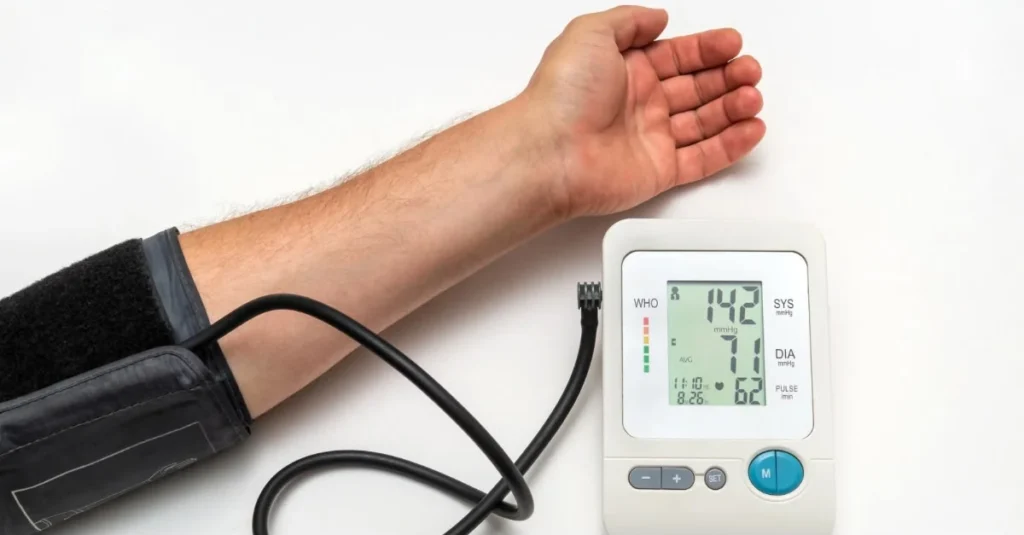
Can Poor Circulation Cause High Blood Pressure?
Poor circulation and high blood pressure are related to the health of your heart and blood vessels, but poor circulation doesn’t directly cause high blood pressure.
Instead, the two conditions can share some underlying risk factors. For example, smoking, diabetes, unhealthy cholesterol levels, physical inactivity, and excess body weight can increase the risk of cardiovascular problems.
High blood pressure can also contribute to damage in the arteries over time. According to the NHLBI, high blood pressure can damage artery walls and increase the risk of atherosclerosis, a condition in which plaque builds up inside the arteries.
How are high blood pressure and poor circulation connected?
One example is peripheral artery disease (PAD).
PAD occurs when arteries that carry blood to the legs and other parts of the body become narrowed or blocked, most commonly because of plaque buildup.
This means a person can have both high blood pressure and circulation problems without one directly causing the other.
The conditions can also be connected through atherosclerosis. When plaque builds up in arteries, it can affect blood flow to different parts of the body.
Can high blood pressure cause symptoms of poor circulation?
High blood pressure often doesn’t cause noticeable symptoms itself. This is one reason it is sometimes called a “silent” condition.
If you have symptoms such as persistent leg pain, numbness, cold feet, skin color changes, or wounds that heal slowly, don’t assume that high blood pressure is the cause. These symptoms can have several possible explanations and may need medical evaluation.
For example, leg pain that repeatedly occurs during walking and improves after resting can be associated with PAD. Other conditions can cause similar symptoms, so a healthcare professional may need to determine the actual cause.
What should you do if you have both conditions?
If you have high blood pressure and symptoms that may suggest poor circulation, it is important to manage both rather than treating one condition as the cause of the other.
Your healthcare professional may recommend monitoring your blood pressure, managing cholesterol and blood sugar when necessary, staying physically active at an appropriate level, avoiding tobacco, and following any prescribed treatment.
If circulation symptoms continue or become worse, getting checked can help identify whether an artery, vein, nerve, or another health problem is responsible.
Most importantly, don’t stop taking prescribed blood pressure medicine or start a circulation supplement because of symptoms without speaking with a healthcare professional.
High blood pressure and poor circulation can be signs that your cardiovascular health deserves attention, so identifying and managing the underlying risk factors is more useful than trying to treat circulation symptoms with a single home remedy.
When Should You See a Healthcare Professional?
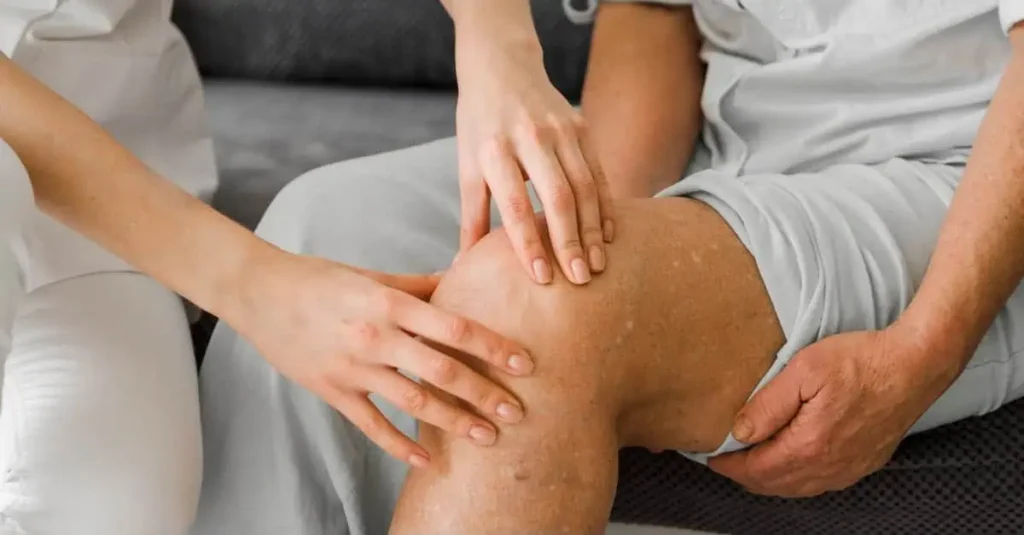
Cold feet, occasional tingling, or tired legs don’t always mean that you have poor blood circulation. These symptoms can have many possible causes. However, symptoms that persist, keep returning, or become worse should not be ignored.
A healthcare professional can help determine whether the problem is related to your blood vessels or another condition.
Make an appointment if symptoms keep occurring
Consider speaking with a healthcare professional if you regularly experience:
- Numbness or tingling in your legs or feet
- Leg pain, aching, or cramping when walking or exercising
- Feet that are consistently colder than usual
- Changes in the color or appearance of your skin
- Weakness in your legs
- Hair loss on your legs or feet
- Sores or wounds that heal slowly
- Swelling or discomfort that does not go away
Pain that repeatedly occurs during walking and improves after resting can be a sign of peripheral artery disease (PAD).
It is also important to remember that these symptoms do not automatically mean you have PAD. Other health conditions can cause similar symptoms, which is why proper evaluation is important.
Seek prompt medical care for a swollen or painful leg
A leg that suddenly becomes swollen, painful, warm, or discolored may have a different cause than poor arterial circulation.
For example, these can be signs of deep vein thrombosis (DVT), a blood clot that forms in a deep vein.
If these symptoms are accompanied by difficulty breathing, chest pain, coughing up blood, a very fast or irregular heartbeat, lightheadedness, or fainting, seek emergency medical help because a blood clot can travel to the lungs and cause a pulmonary embolism.
Get emergency help if blood flow suddenly decreases
A sudden change in one leg or foot can be more serious than symptoms that develop gradually.
Seek emergency medical attention if a foot or leg suddenly becomes:
- Very cold
- Pale or blue
- Numb
- Extremely painful
- Difficult or impossible to move
The NHLBI describes a sudden loss of blood flow to a limb as acute limb ischemia and considers it a medical emergency. Quick treatment may be necessary to prevent serious tissue damage and other complications.
Do not ignore wounds on the feet
A wound, ulcer, or sore on the foot or leg that doesn’t heal normally deserves medical attention if you have diabetes or known circulation problems.
Poor blood flow can make it more difficult for wounds to heal, and it can increase the risk of complications. If you have diabetes, checking your feet regularly and getting medical attention for new wounds, changes in color, swelling, numbness, or pain is especially important.
When in doubt, get checked
You do not need to wait until your symptoms become severe before talking with a healthcare professional.
If you are concerned about ongoing changes in your legs, feet, hands, or other parts of your body, getting checked can help identify the cause. Your healthcare professional may ask about your symptoms, medical history, medications, lifestyle, and risk factors before deciding whether further tests are needed.
The goal is not simply to determine whether you have “poor circulation.” It is to find out why your blood flow or other body functions may be causing symptoms and whether treatment is needed.
If you have already been diagnosed with a condition such as diabetes, high blood pressure, high cholesterol, or peripheral artery disease, regular medical follow-up can also help you manage the condition and reduce the risk of complications.

How Is Poor Blood Circulation Diagnosed?
There is no single test used to diagnose every type of poor blood circulation. Because circulation problems can affect arteries, veins, or other parts of the body, a healthcare professional will usually begin by looking at your symptoms, medical history, and physical examination.
If peripheral artery disease (PAD) is suspected, for example, the evaluation may focus on how well blood is reaching your legs and feet.
1. Medical history and physical examination
Your healthcare professional may ask when your symptoms started, what makes them better or worse, and whether they occur during activities such as walking or exercise.
They may also ask about health conditions and risk factors such as diabetes, high blood pressure, high cholesterol, smoking, kidney disease, and a family history of cardiovascular disease.
During the examination, they may check your legs and feet for changes in temperature, skin color, swelling, sores, or other signs. They may also check the pulses in your legs and feet.
According to the NHLBI, these parts of the examination can help healthcare professionals look for signs of PAD and distinguish it from conditions that can cause similar leg symptoms.
2. Ankle-brachial index (ABI)
If PAD is suspected, one common test is an ankle-brachial index (ABI).
This is a simple, noninvasive test that compares blood pressure in your ankle with blood pressure in your arm. A healthcare professional uses blood pressure cuffs and an ultrasound device to obtain the measurements.
A lower-than-normal ABI can indicate reduced blood flow to the legs.
3. Doppler ultrasound
A Doppler ultrasound may also be used to examine blood flow through the arteries.
The test uses sound waves to help identify areas where blood flow may be reduced or where a blood vessel may be narrowed or blocked. It is noninvasive and does not require an incision.
The CDC notes that ultrasound and other imaging tests may be used when evaluating people who have symptoms of PAD.
4. Blood tests
Blood tests may also be useful when looking for health conditions that can increase the risk of circulation problems.
Depending on your symptoms and medical history, a healthcare professional may check things such as blood sugar, cholesterol, and triglyceride levels.
These tests do not directly measure blood circulation, but they can help identify conditions that may contribute to blood vessel problems.
Other imaging tests
If more information is needed, your healthcare professional may recommend additional imaging.
Depending on the suspected problem, this may include CT angiography, magnetic resonance angiography, or other vascular imaging. These tests can provide more detailed information about the blood vessels and help identify narrowing or blockages.
Not everyone with circulation symptoms needs advanced imaging. The tests used will depend on your symptoms, examination findings, and suspected cause.
Why getting the right diagnosis matters
Symptoms such as leg pain, numbness, swelling, cold feet, or skin changes can have several possible causes.
For example, nerve problems, muscle or joint conditions, vein problems, blood clots, and artery disease can sometimes produce similar symptoms. This is why trying to diagnose yourself based on one symptom can be misleading.
A proper evaluation can help determine whether the problem is actually related to blood flow and, if it is, whether the issue involves an artery, vein, or another part of the circulatory system.
If you have persistent symptoms or risk factors for cardiovascular disease, consider discussing them with a healthcare professional rather than relying on supplements, drinks, or home remedies to improve circulation.
The Bottom Line
Poor blood circulation is a general term that describes problems with blood flow, but it is not a single medical condition.
Symptoms such as cold feet, numbness, tingling, leg pain, skin color changes, or wounds that heal slowly can have different causes, so it is important not to assume every symptom is caused by poor circulation.
Conditions such as peripheral artery disease, diabetes, smoking, high blood pressure, unhealthy cholesterol levels, and blood clots can affect blood vessels and circulation. Some circulation problems can also affect the legs more noticeably, particularly during walking or exercise.
Supporting healthy circulation starts with habits such as staying physically active, avoiding smoking, managing conditions such as diabetes and high blood pressure, eating a balanced diet, and following medical advice when you have an underlying health condition. Drinking enough water can support normal body functions, but there is no special drink or supplement that can treat every cause of poor circulation.
If you experience persistent or unusual symptoms, getting the cause checked is more helpful than trying to treat the problem yourself. And if a limb suddenly becomes very cold, pale or blue, numb, extremely painful, or difficult to move, seek emergency medical attention.
Taking care of your circulation is part of taking care of your overall health. Regular movement, healthy lifestyle habits, and appropriate medical care can all play a role in protecting your heart and blood vessels.
If you have experienced symptoms that made you concerned about your circulation, what did you notice first? Share your thoughts in the comments—we’d love to hear from you.